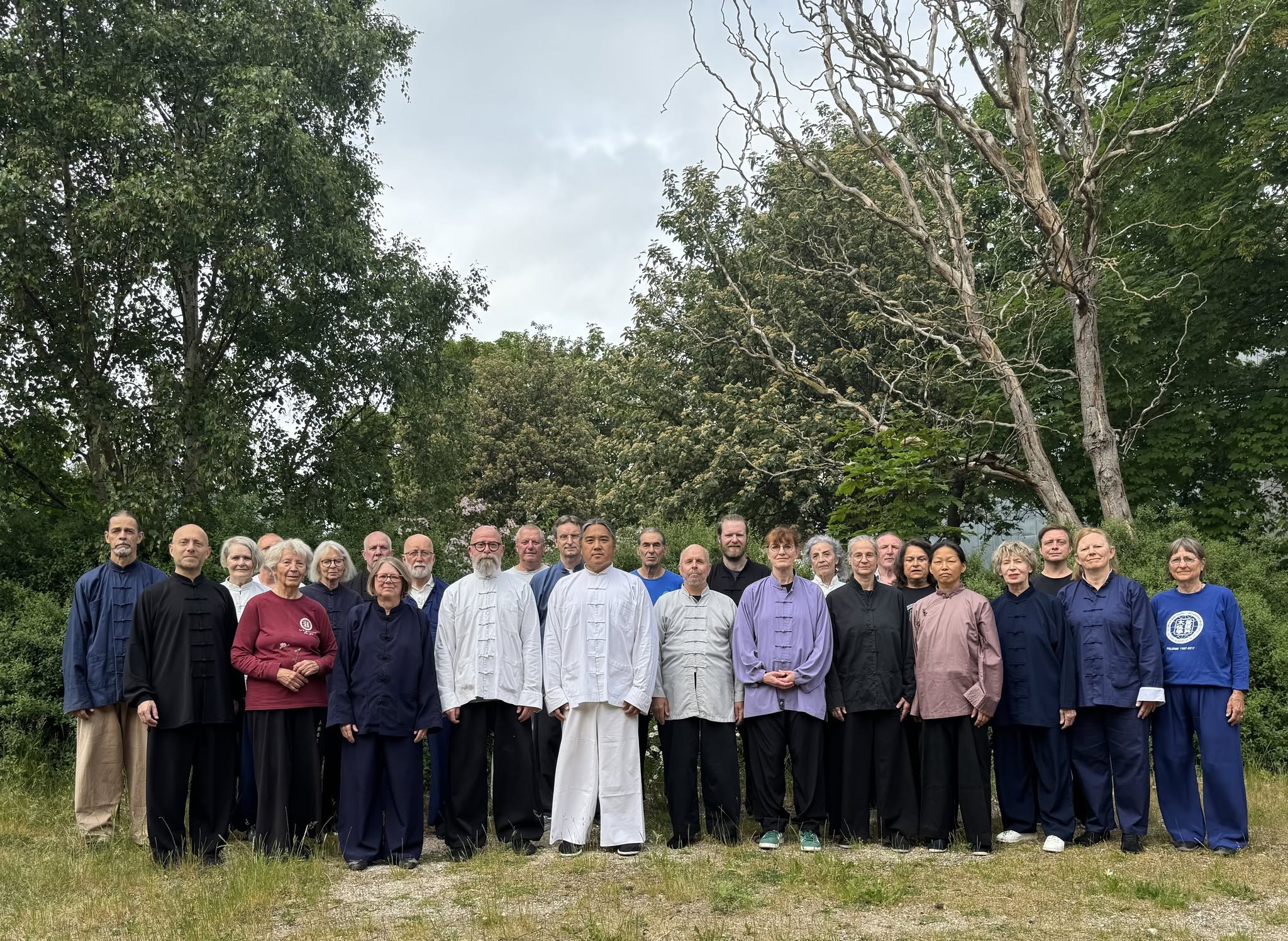
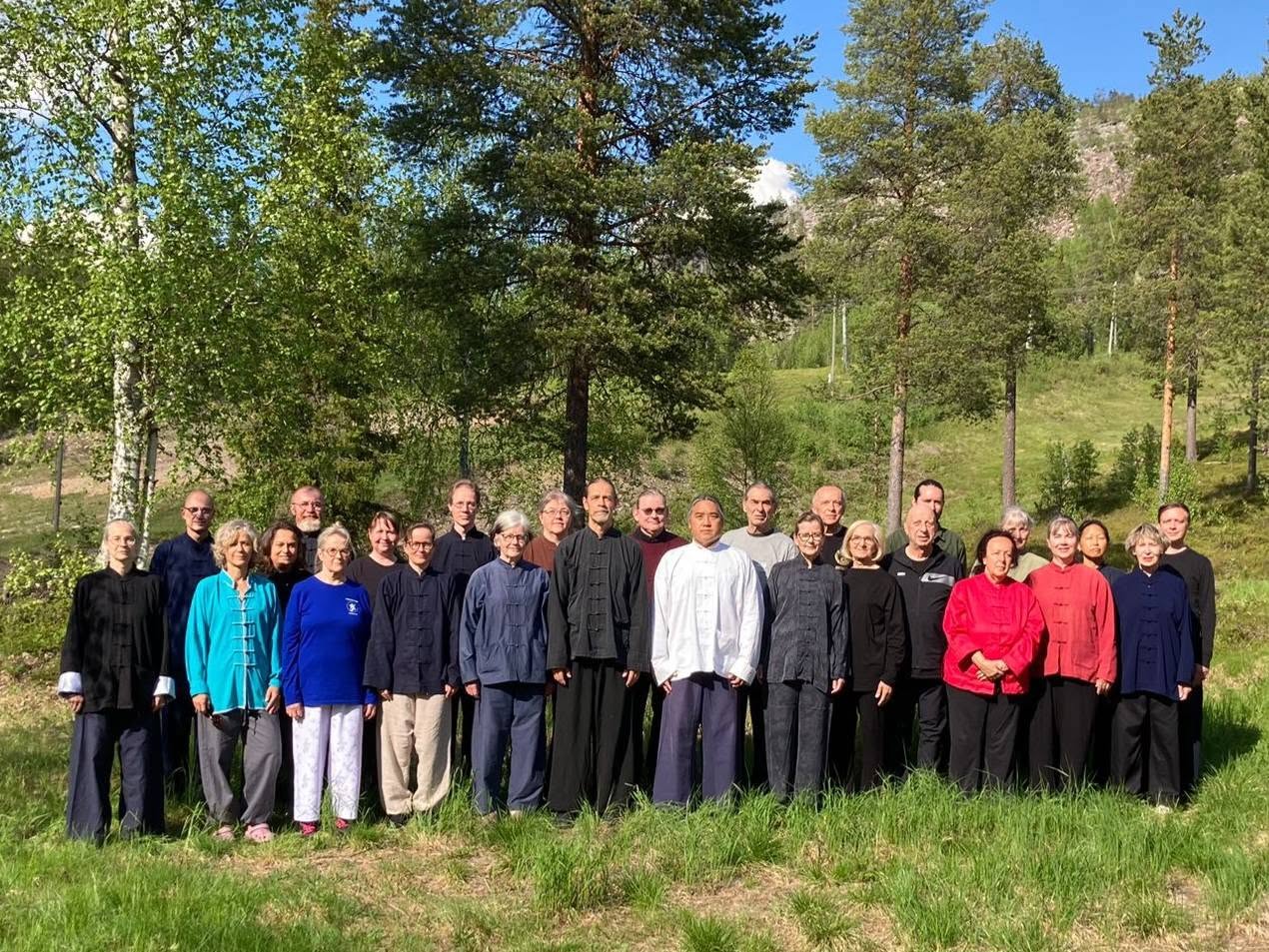
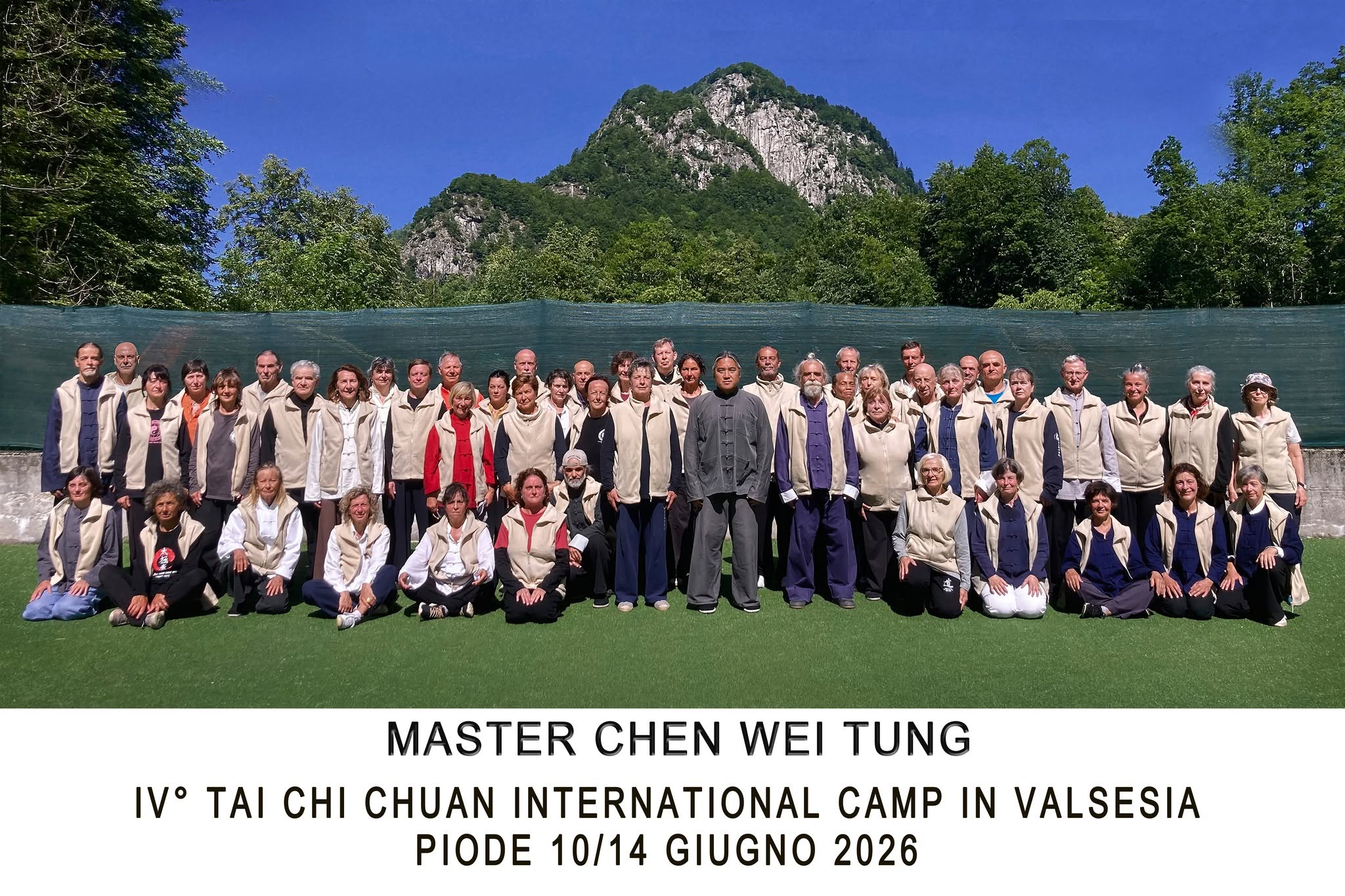
In the beginning of this summer, just over a month ago, we again had a workshop in Copenhagen, followed by two camps in Lapland and Valsesia. In Lapland we had quite a few French participants this time, and in Valsesia we had a new venue. Even though there were about as many people in Valsesia as in Copenhagen and Lapland combined, there were no new students whom I hadn't seen before.
One thing we were taught more clearly was how to be ready. What does being ready mean? How should you prepare before starting a practice? Take your position in the form or with your partner. Keep the lines even and straight, and keep the right distance from your partner - short or long, depending on what you are practicing. Watch your partner. Don't look around. Don't start ahead. Focus first. Not necessarily on their eyes, but on where their focus is. What are their intentions?
One way to understand the importance of focus is to think about balance. Balance is - if not exactly, at least closely related to - what the classics mean by the root, 根部 gēnbù. Relax your abdomen to let your center, 丹田 dantian, sink and your balance expand. It's not exactly a single point, but rather a channel between your feet and the aligment of your whole body. The better your balance is, the wider the space it covers. It is also keeping your focus centered - to concentrate.
We practiced the slow set 对练 duìliàn a lot. When we begin, the first thing is to raise your hands to the center. Come to the center, as the master said. You can find this center in everthing we do. You should not press, push, punch, or kick to the side, but always to the center. Hold your own center, and control your partner's center. By aligning with your center, you can have your whole being behind the movement, and only by targeting your partner's center can you control their balance.
Don't be too polite to press aside your partner, or they should do something else than a pull to push. It's not rude to help each other practice the movements correctly, but of course be mindful of whom you practice with. You should know your partner. If your push hands is good, you should be able to practice with anyone. Always finish movements; otherwise, it is difficult to perform the counter movements.
We also started duìliàn from a longer distance by first circling our hands to the center, already focusing on your partner's center. Then take four long steps to the right in half circle, getting slightly closer to your partner with each step, and ending up to the side where your partner started, but a little closer to the center, or the midpoint of the distance where your started. Here, turn your feet and open your hands. Then take four long steps in a half circle back to your starting side, but this time close to your partner, finishing by making contact as beginning from the short range.
When you demontrate, you also start by coming to the center of the class - or more precisely, to the place where your demonstration will be in the center if you are going to move during it. So, for example, you should already know which direction to start when demonstrating duìliàn. Also, when the master corrects someone who is demonstrating, those corrections may apply to everyone else as well. Therefore, always concentrate. First remember the corrections, and practice them more later.
In Chinese, center or middle is 中 zhōng, and therefore China 中国 Zhōngguó, means central or middle country or state. Speaking of places, and in contrast to the center, the slogan of the place we stay in Lapland is "in the middle of nowhere". Personally, I like to play with words and read this as "now here" - meaning be present.
When I meditate, I like to think that I'm nothing, nobody, nowhere, and never, but that also implies I could be anything, anybody, anywhere, at any time. Still, be centered and focused, observe all the options, and let the universe surprise you. The past is gone, and the future is malleable. We are all on our own journey to remember who we truly are. Come to the center of your own life. Be the main character of your own story.